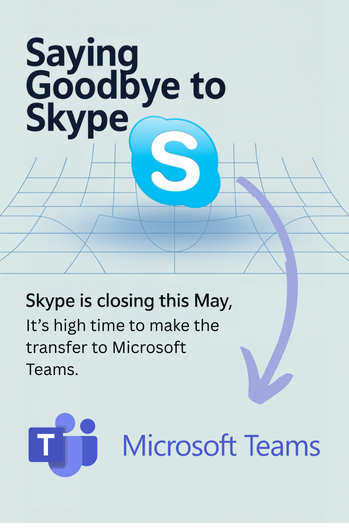
This May marks the end of an era—Skype is officially shutting down.
For many, it might just be another app, but for me, it holds a deep, personal significance. Skype wasn’t just a communication tool—it was the heartbeat of my early career in web development. It connected me with clients across the world and kept me in constant touch with teammates, collaborators, and mentors. It was available 24/7, and so was I.
I vividly remember late-night discussions, client calls, team syncs, and countless files shared over Skype. Back when communication tools were fewer and options limited, Skype was the bridge that made global teamwork possible for me.
Now, as Skype fades away, I face a difficult realization: many of my past clients and colleagues existed only in my Skype contact list. Many haven’t been online in years, and with Skype’s shutdown, I may lose the ability to ever reach them again. It’s not just about losing a platform—it’s about losing connections, relationships built over years, and the digital spaces we shared.
However, there’s a silver lining.
Microsoft Teams is the recommended alternative, and the transition is quite seamless. You can simply log in with your Skype credentials, and Teams will be ready to go. In fact, when you open Skype now, it provides a notice and instructions to move to Teams—just follow the steps.
To everyone reading this: If we’ve worked together in the past, or if you’re in my Skype contact list—please connect with me on Microsoft Teams. Let’s not lose the bond we’ve created over the years.
Customer support has evolved far beyond answering phone calls or replying to emails. It’s about creating meaningful connections, solving problems efficiently, and turning every interaction into an opportunity to build trust. As someone with years of experience in managing international clients across industries like e-commerce, web development, and digital services, I’ve learned firsthand what it takes to excel in this dynamic field. In this blog post, I’ll share insights from my career journey and highlight the key skills that have helped me succeed as a Customer Support Executive.
The Heart of Customer Support: Communication Is Key
At its core, customer support is all about communication. Whether it’s through live chat, email, video/audio calls, or even marketplace platforms like Upwork and Envato Studio, the ability to convey information clearly and empathetically is crucial.
One of my proudest achievements has been handling 70% of tasks for international clients while maintaining high satisfaction rates. This required not only technical expertise but also the ability to explain complex concepts—like web development processes or SEO strategies—in simple terms that anyone could understand. By focusing on clear, concise, and friendly communication, I was able to build trust and foster long-term relationships with clients around the globe.
Pro Tip: Always listen actively to your customers’ needs before responding. Sometimes, they just want to feel heard, and acknowledging their concerns can go a long way toward resolving issues quickly.
Turning Challenges Into Opportunities
Conflict resolution is another cornerstone of effective customer support. No matter how well you plan, there will always be moments when things don’t go as expected. The key is to address complaints professionally while staying aligned with company policies.
For example, during my time at Themeroasters.com, I handled numerous cases where customers faced technical difficulties with WordPress themes. Instead of seeing these situations as obstacles, I viewed them as opportunities to showcase our commitment to quality service. By working closely with the development team to resolve issues promptly—and following up to ensure complete satisfaction—I turned potentially negative experiences into positive ones.
Pro Tip: When dealing with conflicts, remain calm and solution-oriented. Focus on finding a win-win outcome that satisfies both the customer and the business.
Driving Sales Through Exceptional Service
While many people think of customer support as purely reactive, it can also play a proactive role in driving sales. One of the most rewarding aspects of my job has been converting inquiries into sales by educating potential customers about the value of our services.
As a Freelance Web Developer and Client Relations Specialist on platforms like Upwork and Envato Studio, I successfully closed deals by explaining technical concepts in a relatable way, negotiating project terms effectively, and setting realistic expectations. These efforts resulted in a 4.9/5-star rating on Upwork, over 201 completed jobs on Envato Studio, and a loyal base of repeat clients who trusted me to deliver results consistently.
Pro Tip: Use upselling strategically. If a customer expresses interest in one service, consider recommending complementary offerings that add value to their purchase.
Mastering Multitasking and Time Management
In customer support, no two days are ever the same. You might start your morning troubleshooting a technical issue, spend the afternoon guiding a new client through the purchasing process, and end your day coordinating with internal teams to meet deadlines. Juggling multiple responsibilities requires excellent multitasking and time management skills.
During my tenure at Dakhm.com, an e-commerce company, I managed inquiries related to order processing, product details, and technical glitches—all while maintaining a high response rate and ensuring timely communication. Staying organized and prioritizing tasks based on urgency helped me keep everything running smoothly.
Pro Tip: Use tools like task management apps or CRM systems to stay on top of your workload. Breaking larger tasks into smaller, actionable steps can also make them more manageable.
The Importance of Marketplace Experience
Working on global marketplaces like Upwork, Envato Studio, and Freelancer.com taught me invaluable lessons about professionalism, adaptability, and standing out in competitive environments. On these platforms, your reputation is everything, and earning a 5-star rating isn’t just about delivering great work—it’s about exceeding expectations at every touchpoint.
From submitting detailed proposals to providing regular updates and addressing feedback promptly, I made sure to leave no stone unturned in delighting my clients. This dedication paid off in the form of glowing reviews, repeat business, and recognition as a “Top Rated” freelancer.
Pro Tip: Treat every client interaction as if it’s your first impression. Consistency in delivering exceptional service will help you build a stellar reputation over time.
My Work Ethic: What Sets Me Apart
Throughout my career, I’ve maintained a strong work ethic rooted in professionalism, patience, and problem-solving. Here’s what some of my clients have said about working with me:
“Excellent communication and quality of work. Highly recommend!” – Envato Studio Review
“Always responsive and goes above and beyond to ensure satisfaction.” – Upwork Review
“One of the best freelancers I’ve worked with. Delivered exactly what I needed.” – Client Review
These testimonials reflect my commitment to going the extra mile for every client, whether it’s meeting tight deadlines, troubleshooting complex issues, or simply being available to answer questions.
Final Thoughts: Why Customer Support Matters
Customer support isn’t just a function—it’s the backbone of any successful business. It’s where relationships are built, loyalty is earned, and growth is nurtured. My journey as a Customer Support Executive has shown me that success in this role comes down to three things: empathy, adaptability, and a relentless focus on delivering value.
If you’re considering a career in customer support—or looking to hire someone passionate about delivering exceptional service—I hope my story inspires you to embrace the challenges and rewards of this vital role. After all, happy customers are the foundation of a thriving business.
What do you think makes a great customer support professional? Share your thoughts in the comments below!
In the digital marketplace, customer support is a cornerstone of success. Whether you’re selling WordPress themes, plugins, or running an e-commerce store, exceptional support fosters trust, drives customer retention, and enhances brand reputation. This article explains tailored strategies for supporting digital products, with a focus on WordPress ecosystems and e-commerce platforms.
1. Customer Support for WordPress Themes and Plugins
WordPress powers over 40% of websites, making robust support for its themes and plugins critical. Users range from novices to developers, each requiring nuanced assistance.
Common Issues
Installation & Configuration: Users may struggle with setup, activation, or compatibility checks.
Compatibility Conflicts: Plugins/themes clashing with others or WordPress updates.
Customization Requests: Tailoring designs or functionalities beyond default settings.
Bugs & Performance Issues: Glitches affecting site speed or functionality.
Update Management: Handling version upgrades without breaking existing setups.
Best Practices
Proactive Documentation: Create detailed guides, video tutorials, and FAQs to preempt common queries.
Multichannel Support: Offer forums, ticket systems, and live chat for varied user preferences.
Timely Responses: Aim for 24-hour resolution times to maintain trust.
Community Building: Foster forums (e.g., WordPress.org support forums) for peer-to-peer troubleshooting.
Regular Updates : Communicate transparently about bug fixes and new features via changelogs.
2. Customer Support for E-commerce Businesses
E-commerce support must address both technical and customer-service challenges, balancing user experience with operational efficiency.
Common Issues
Payment Failures: Gateway errors, declined cards, or checkout abandonment.
Shipping & Logistics: Delays, tracking issues, or international shipping hurdles.
Returns & Refunds: Policy misunderstandings or defective product claims.
Technical Glitches: Cart errors, site crashes, or mobile responsiveness issues.
Customer Complaints: Product dissatisfaction or service disputes.
Best Practices
24/7 Availability : Use chatbots for off-hours inquiries and prioritize urgent issues (e.g., payment failures).
Clear Policies : Display return, refund, and shipping policies prominently.
Live Chat Integration : Reduce cart abandonment with real-time assistance during checkout.
Personalization : Address customers by name and reference past interactions.
Analytics-Driven Improvements : Track common issues via tools like Google Analytics to refine processes.
3. General Best Practices for Digital Product Support
Omnichannel Strategy : Integrate email, chat, social media, and phone support for seamless experiences.
Empower Support Teams : Train agents thoroughly and grant autonomy to resolve complex issues.
Feedback Loops : Use post-resolution surveys to identify pain points.
Self-Service Options : Develop a knowledge base with troubleshooting articles and video demos.
A well-structured support page reduces friction and enhances user satisfaction. Key elements include:
FAQs & Knowledge Base : Organize by categories (e.g., Installation, Billing).
Documentation Hub : Detailed guides, API references (for plugins), and video tutorials.
Contact Forms : Streamline queries with dropdowns for issue types.
Live Chat Widget : Position prominently on checkout or download pages.
Community Forums : Encourage user-generated solutions (e.g., WooCommerce forums).
Status Page : Inform users of ongoing outages or maintenance.
Feedback Form : Collect insights to improve services.
5. Tools & Technologies
Helpdesk Software : Zendesk, Freshdesk for ticket management.
CRM Tools : HubSpot for tracking customer interactions.
Live Chat : Intercom, Tawk.to for real-time support, Facebook Messenger.
Knowledge Base : Notion, Helpjuice for self-service portals.
Analytics : Hotjar for heatmaps, Google Analytics for tracking support page traffic.
Conclusion Effective customer support for digital products is a blend of proactive resource provision, empathetic communication, and continuous improvement. By addressing common pain points with tailored strategies—whether for WordPress users troubleshooting plugins or e-commerce customers resolving shipping issues—businesses can build loyalty and stand out in competitive markets. Invest in robust infrastructure, empower your support teams, and prioritize the user experience to turn customers into advocates.
Final Tip : Regularly review support metrics (response time, CSAT scores) to refine your approach and stay ahead of customer expectations.